The sudden popularity of jed’hin made me realize that it’s time to take this concept onto more solid ground. What started as just a fun game between a couple of friends in the Wyrmrest Accord server, and then as small tournaments within Sha’nash in Moon Guard, has started to spread even across guilds, and even across servers, and, I admit, the whole thing got ahead of me. We’re starting to slowly solidify the lore, history, and rules of Jed’hin.
What is Jed’hin?
Jed’hin is a competitive full-contact wrestling sport where a wrestler attempts to force another wrestler into submission within a large, circular ring. The sport originated in Argus, where it was practiced professionally.
In addition to its use as a trial of strength in combat, jed’hin has also been associated as a spiritual ritual.
Professional jed’hin can trace its roots as a form of sporting entertainment. Only males participate in jed’hin due to both physiological reasons and cultural ones: Males represented perseverance and strength, females represented diligence and gracefulness.
Winning a Jed’hin Bout
The winner of a jed’hin match is either:
1.The first wrestler to force his opponent to step farthest from the ring
2.The first wrestler to force his opponent into submission
The referee or judge may award the win to the wrestler whose opponent uses an illegal move, they also can call the match and declare the winner if the fight’s taking too long for the sake of the losing wrestler, due to the superior skill of his opponent, since he was already in an irrecoverable position with no chance of winning.
Matches consist of several rounds and only last a minute, as usually one wrestler is quickly ousted farthest back or pinned. However, they can occasionally last for several minutes.
A Professional Jed’hin Bout
At the ring both wrestlers face each other from opposite ends of the ring, and must bow to their opponent simultaenously. The referee can restart the bout if this simultaneous reverence does not occur.
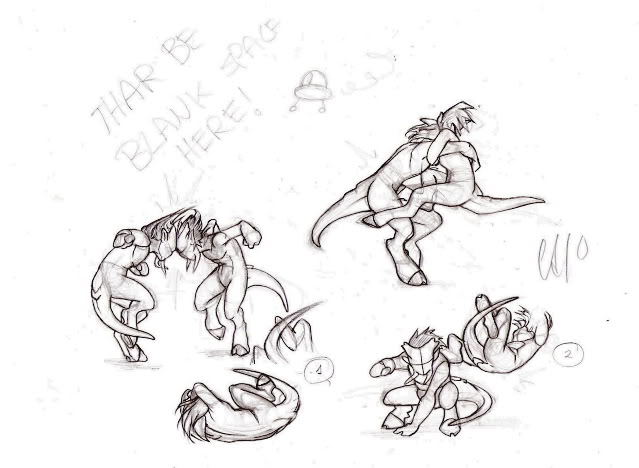
At the referee’s command, both wrestlers charge and must crash their crests first before they are allowed to grapple each other. The referee immediately calls out if there has been crest contact. Different grappling techniques such as clinch fighting, throws and takedowns, joint locks, pins and other grappling holds are allowed. Some kicking moves are also allowed, as are some types of tail swipes. The referee can decide whether a move was excessive in force, or illegal altogether.
Bouts are typically very short, usually less than four minutes. If after four minutes, or five matches, the wrestlers are still deadlocked with no end of the bout in sight the referee can determine the winner.
Style in Jed’hin
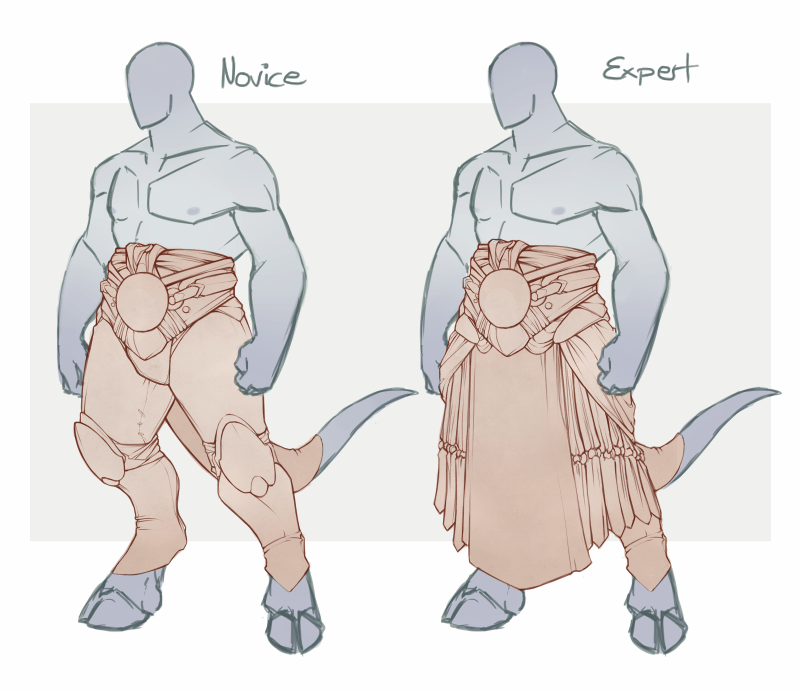
Wrestlers are barechested, though some wrap their necks and chest to help stiffen the muscles.
A large, thick belt (three-layered) that covers half up the chest is usually worn to protect the exposed abdomen from kicks. The belt is optional.
Traditionally, novices wore leggings so that they could learn leg positioning and other takedown techniques. Experienced wrestlers switched to thick kilts that prevented the opponent from knowing where the opponent’s legs were so as to heighten difficulty and prolong the match. Nowadays, both leggins are kilts are interchangeable.




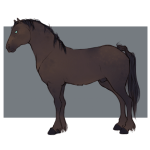
 thisacelovesheadcanons