Waiter, about to reveal that the poor groom’s bride is a whore: Oh you haven’t heard?
the number of people making comments on this post about how there’s nothing wrong with being a whore is far too high like i’m not trying to shame people who are promiscuous or sex workers this is a fucking reference to a song and if you dont understand the reference dont reblog with some idiotic trying too hard to be progressive shit its literally a joke about a lyric from a song it was never, and never will be, that fucking deep. if you dont get the reference literally just shut up and dont reblog this post oh my god
by fall out boy
I dont know what’s funnier the people getting offended because they don’t get the panic reference or the people getting offended because they don’t get the fall out boy joke
Comprehension of this post is what defines the Millennial / Gen Z generational boundary.
fun fact: procrastination happens to animals too. it’s a naturall thing.
animal equivalents for scrolling tumblr include: – hamsters starting to wash their faces in inaproppriate situations – hyenas stopping everything and starting to dig holes in the ground.
– seagulls starting to ruffle their feathers instead of doing important things
this happens for two reasons:
1) an animal is in the situation where none of the standard scenarious it has are fitting, so it does the next best thing (example: hamsters were put in a vibrating bowl, they couldn’t run or attack, so in about a minute they stopped everything and started washing their faces.)
2) an animal has two conflicting instincts fighting for dominance, so the third one, usualy suppressed by them, kicks in. (example: when two hyenas meet at the border of their territories, they have an instinct to protect their own territory conflict with an instinct not to cross someone else’s. they don’t know if they need to attack or leave, so both start digging holes in the ground. example: a seagull sitting on the nest needs to protect her children, but also has to go get some food. instead a seagull settles for ruffling her feathers for two hours.)
with humans it’s usually the second reason. (example: I’m tired and I want to go to sleep, but I should write an essay for tomorrow. both these things are important, so I’m procrastinating them by writing this post.)
nature is beautiful. I’m gonna go to sleep now.
Honestly, digging holes in the ground to avoid dealing with a confrontation sounds like something I would do.
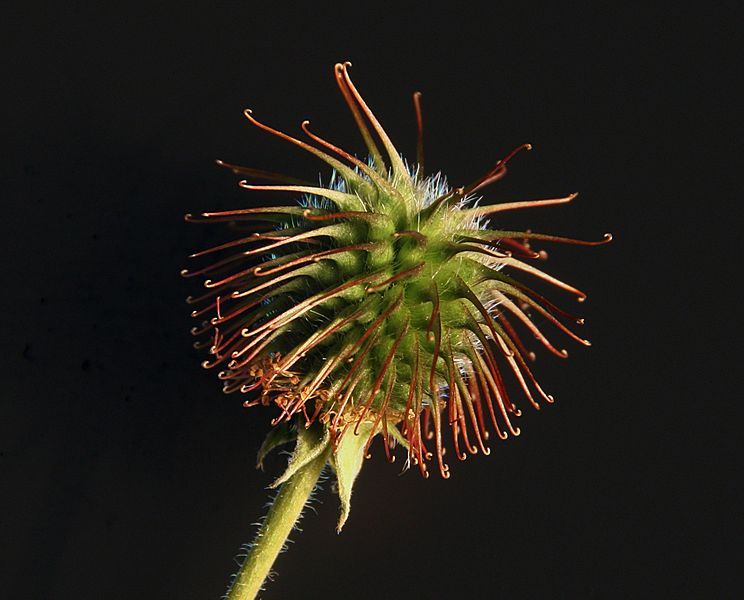
In 1941, Swiss engineer George de Mestral noticed after a
hunting trip that burrs from burdock plants stuck to his pants and his
dog’s fur.
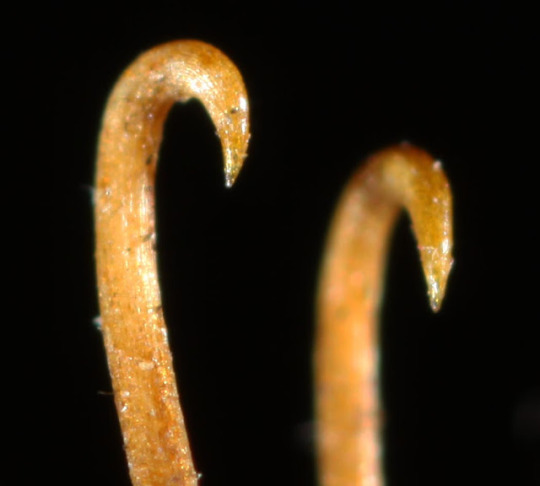
He took the seed and looked at them through a microscope to find that this seed
attaches to animal fur via the hooks on its surface to improve
distribution.
These hooks would latch onto anything loop-shaped, such as the fibers in his pants and his dog’s tangled fur. This inspired him to come up with the ‘Velcro’.
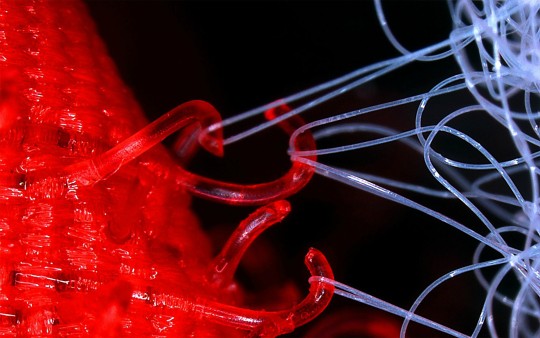
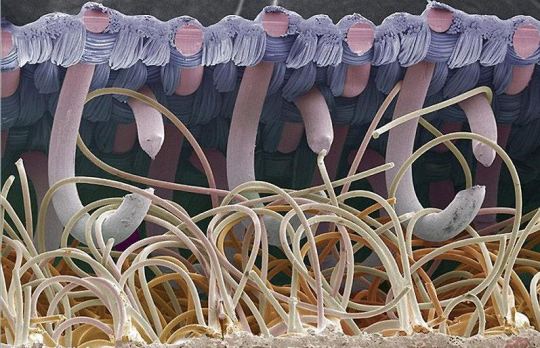
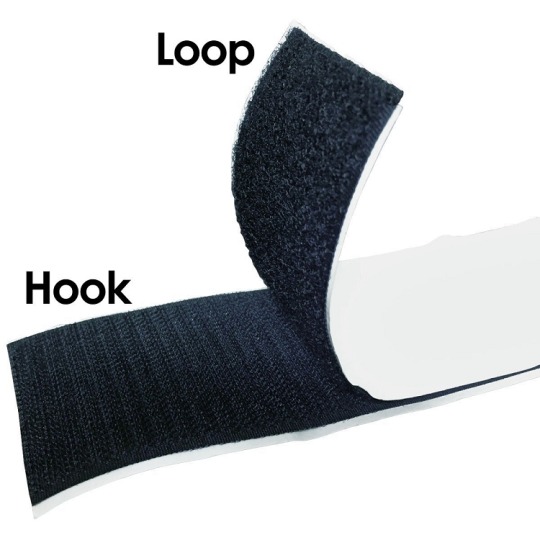
Velcro is a bio-mimicry of this burrs with small flexible hooks attached on its surface to attach to fluffy surfaces.
Although it goes by the name Velcrothe generic name is a hook-and-loop fastener)
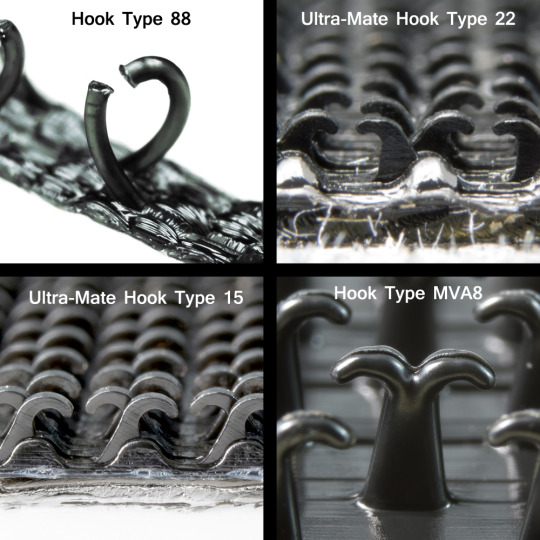
And depending on the load that needs to be held there are different types of hooks that are available:
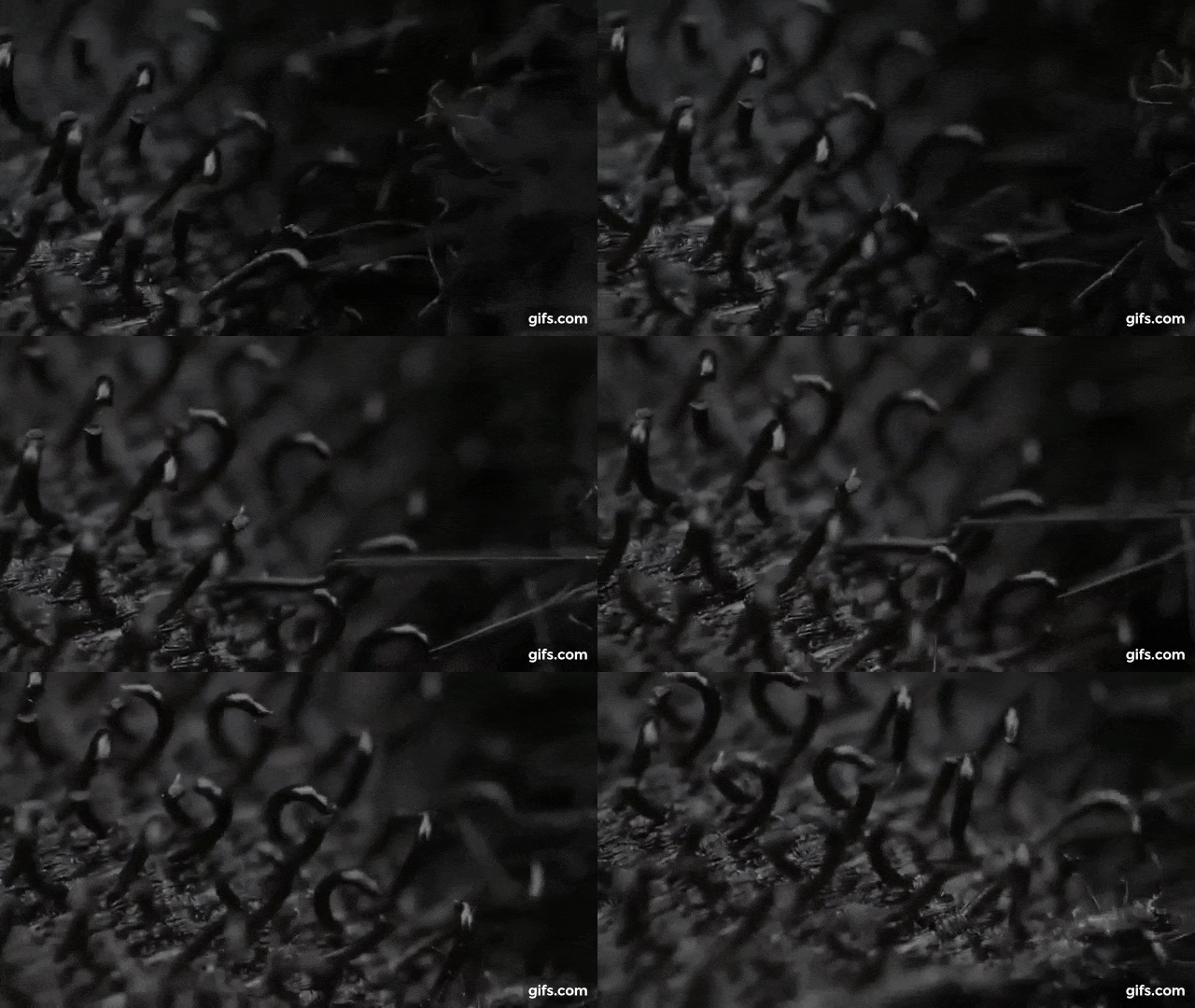
The sound that the velcro makes when you rip it apart is oddly satisfying. It is made when the loops are ripped apart from the hooks.
It was always in my head that the hooks or the loops would break whenever you would rip it apart. But turns out, they are extremely flexible.
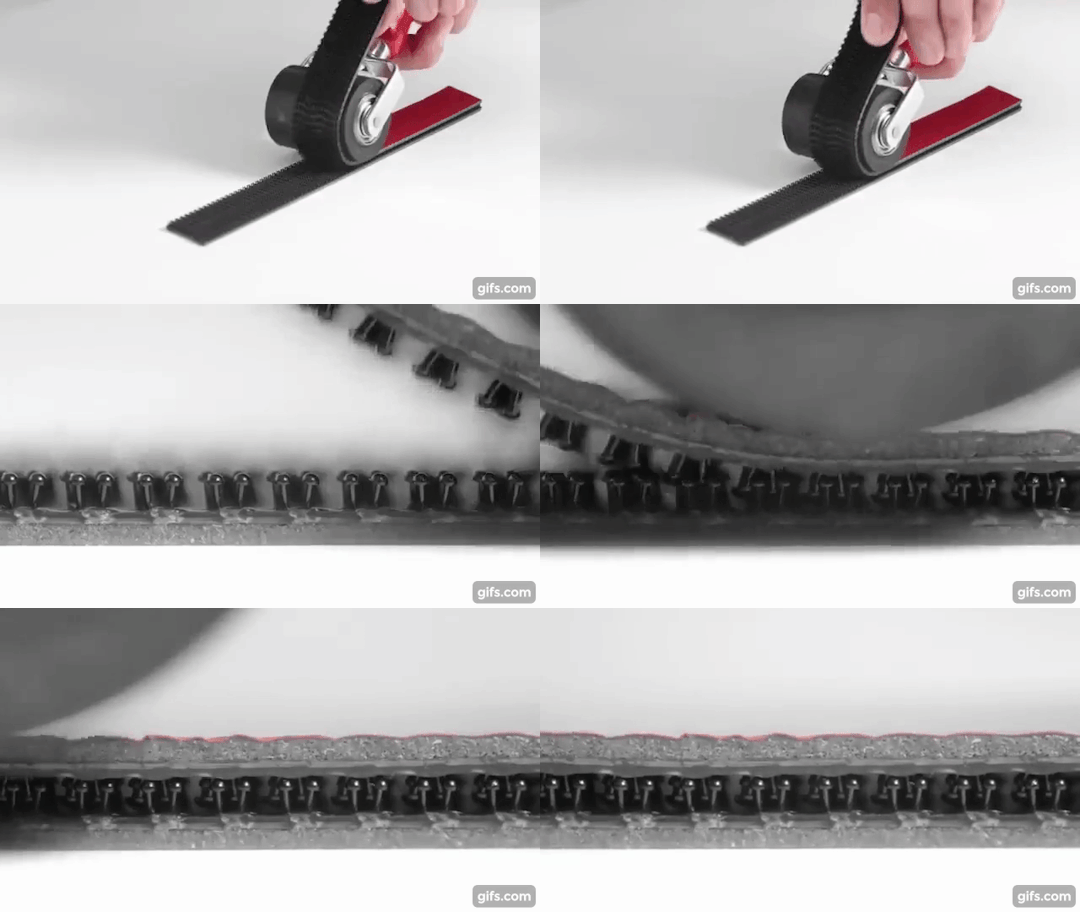
For a long time I believed that this was the end of the story and that’s how far we had gone. But recently when I was trying to mount a board to the wall, I came across the 3M dual lock fasteners.
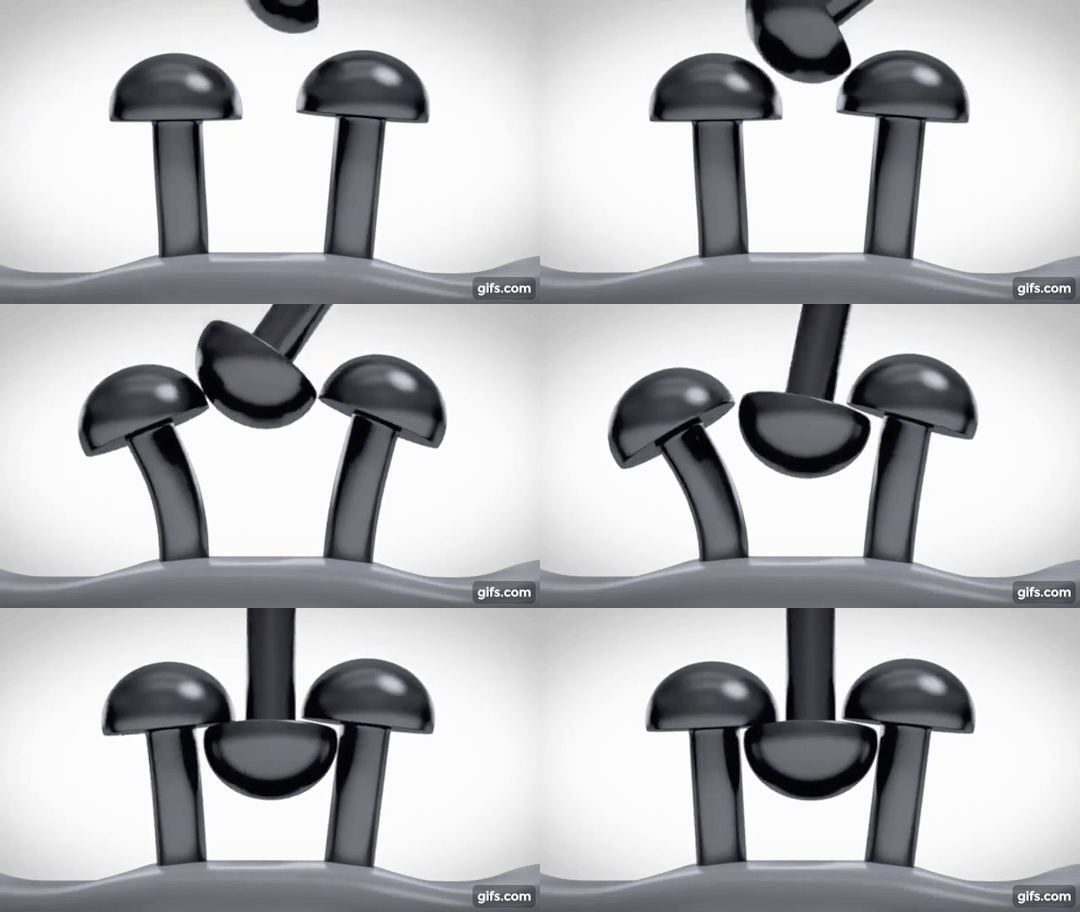
These use a mushroom shaped hook on both the sides to snap together in place.
And evidently it turns out the mushroom fastener design were inspired from dragonflies who used it for stability during mating (check source video above for more).
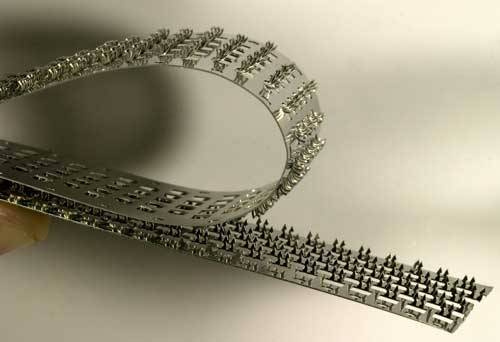
This is great, but since this is made of plastic this surely would fail at higher temperatures. You need something robust to handle higher temperatures, and this is where the Metaklett comes into the picture:
A square metre of this fastener, called Metaklett (made of steel), is capable of supporting 35 tonnes at temperatures up to 800 ºC, (Video)
There is something exotic in the blend of nature and technology that is manifested in the Velcro, I just cannot put my hand on what it is.
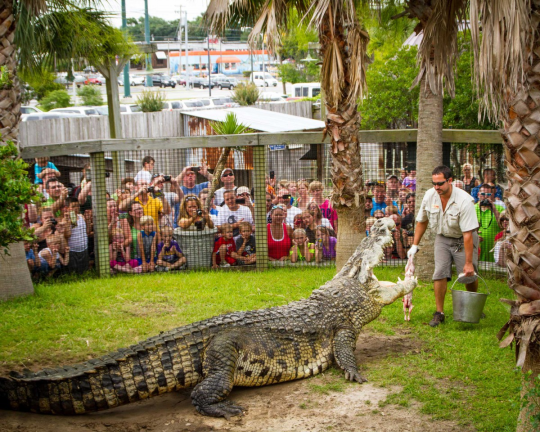
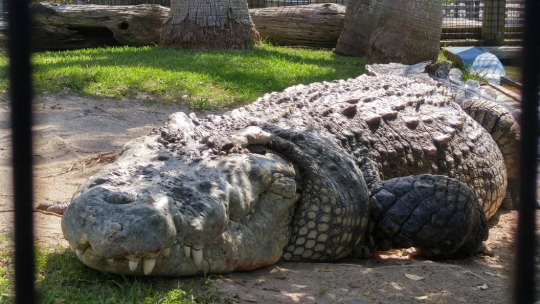
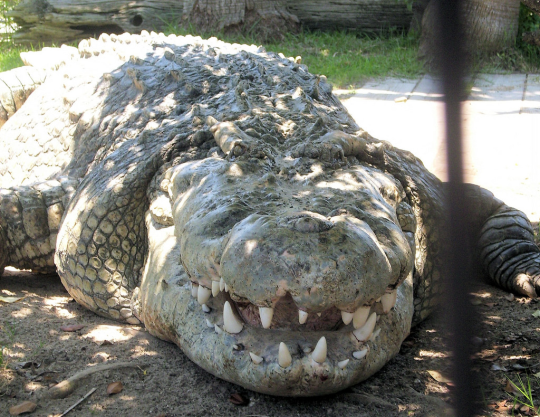
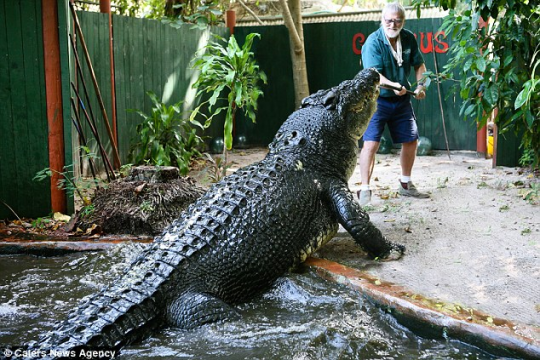
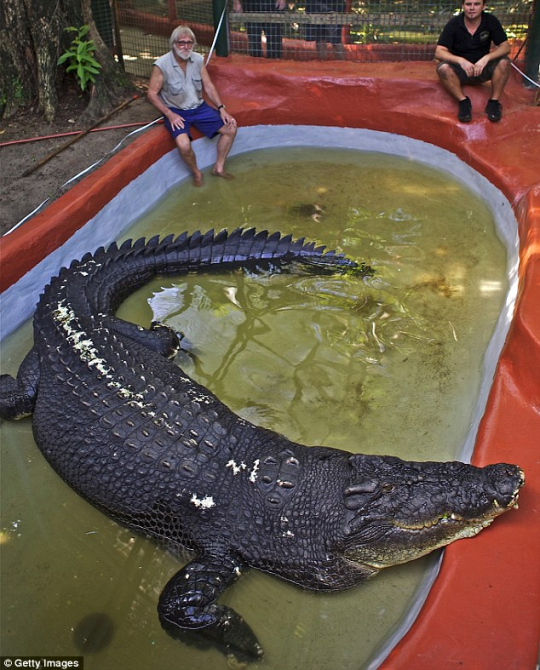
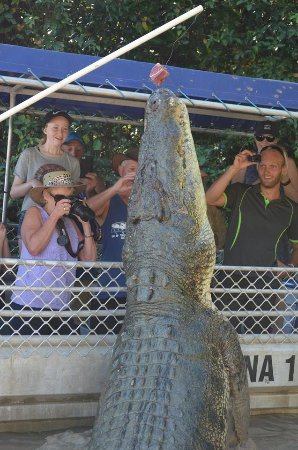
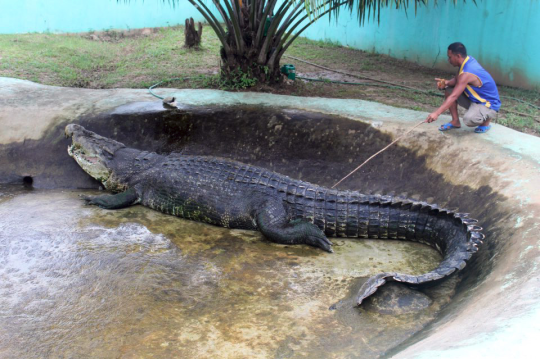
I can’t stop thinking about crocodiles for some reason so here’s some cool pictures I found of probably the second largest one in captivity, his name is Utan:
isn’t he beautiful
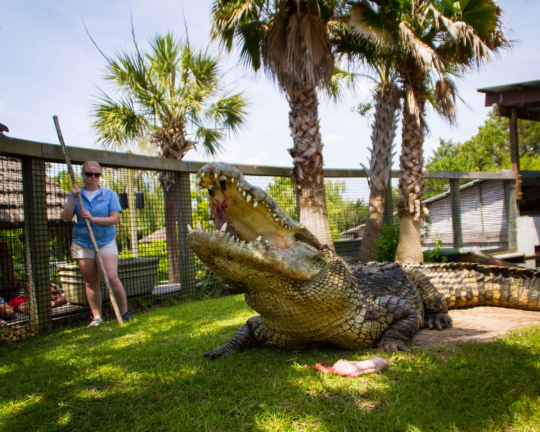
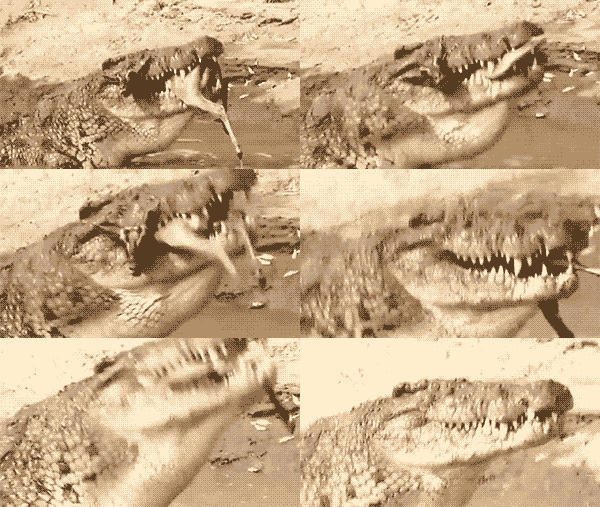
listen to the SOUND when he bites
and that’s not even a real power bite, that’s mostly just heavy bone falling on heavy bone from his jaws and the air rushing out from between them
2000 pounds of Good Boy
you get me
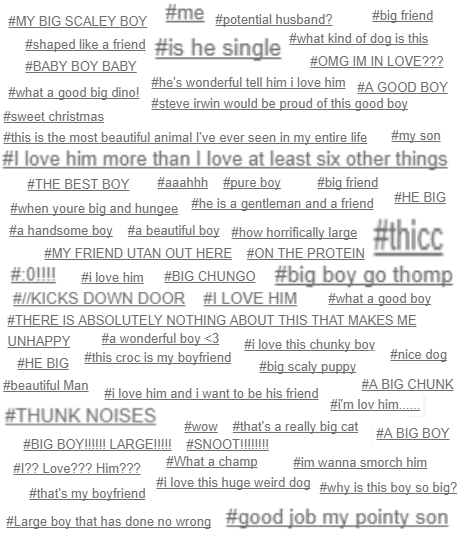
I honestly expected like 5 notes, what HAPPENED here
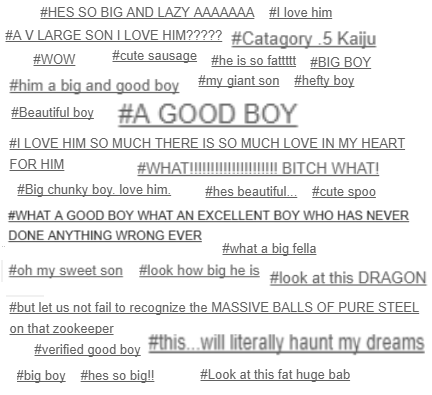
More tags on this ridiculous post:
Wait, thats the 2nd biggest crocodile? Then what does the biggest one look like?
That would be Cassius, a very old Saltwater crocodile who is estimated to be around 114 years old and lives at Marineland Melanesia in Green Island, Australia. His official measurement is 5.48 meters, which makes him the largest in captivity currently. Because Utan is only slightly smaller and much younger, (only in his 50s), he will likely break Cassius’ record eventually. But for now, Cassius holds the title:
He is NOT, however, either the largest crocodile ever captured in Australia OR the largest ever in captivity.
A slightly larger crocodile has been reported (though not yet comfirmed) to have been captured at 5.58 meters.
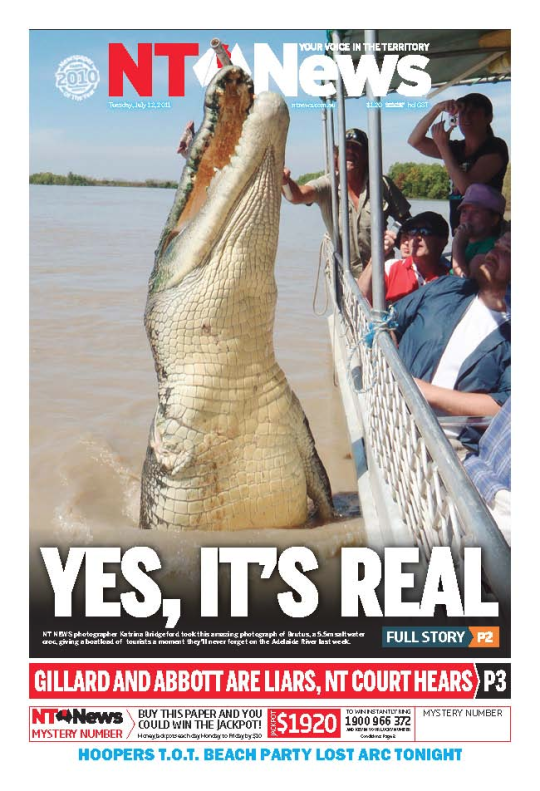
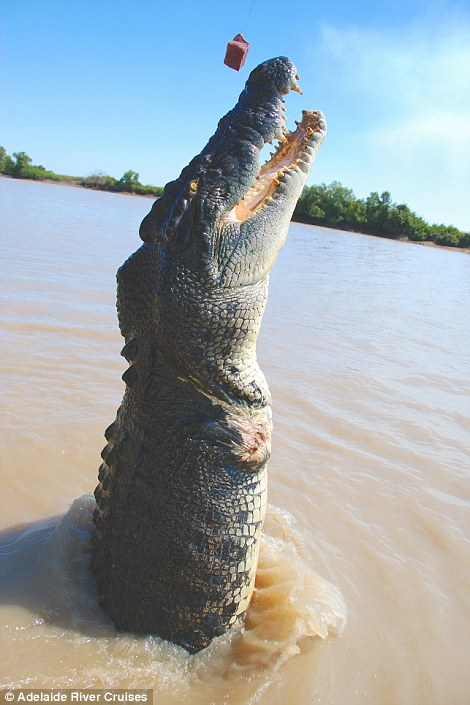
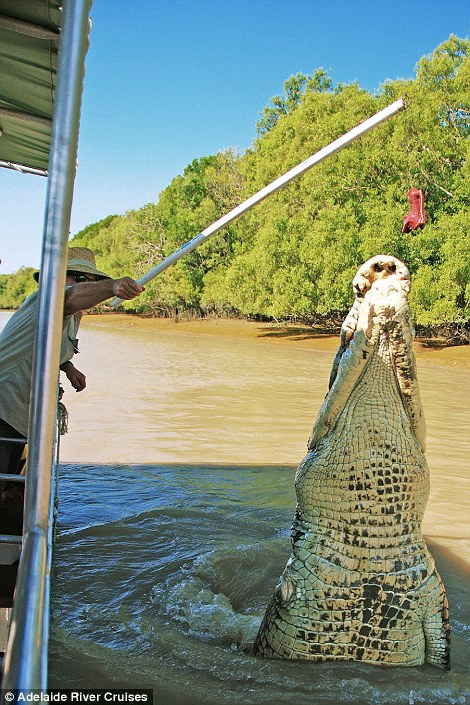
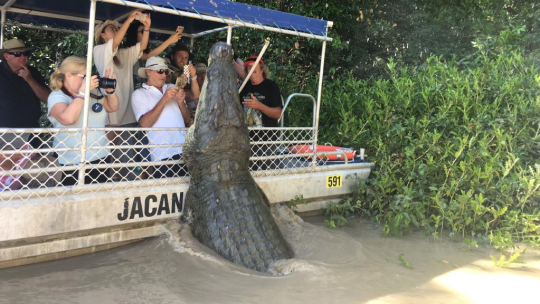
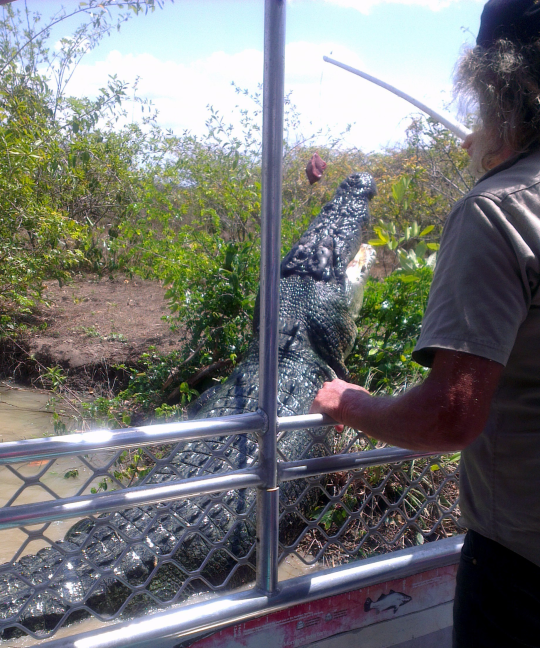
And while the famous Brutus of the Adelaide River was estimated to be just slightly larger than Cassius at 5.5m, he was driven out of his territory by a younger and even larger crocodile, who as a result has been given the name, The Dominator. He is estimated to be just over 6m.
This is Brutus, with an appropriate caption:
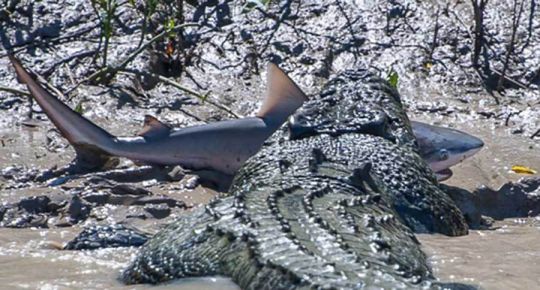
It is believed that he lost that arm in a fight with a Bull Shark.
The Bull Shark lost.
THIS is the crocodile who kicked him out. The Dominator:
And that’s STILL not the biggest.
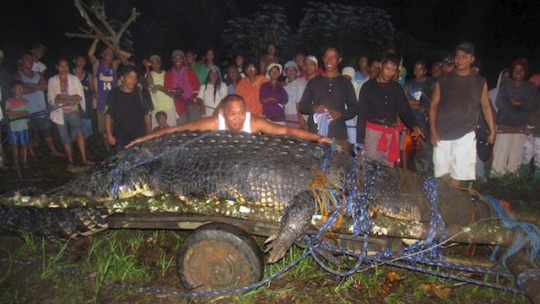
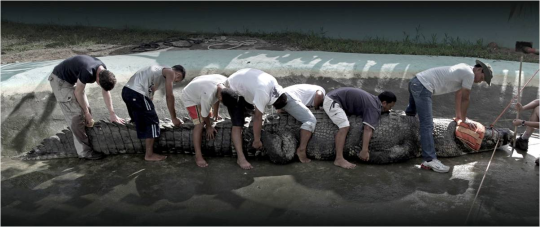
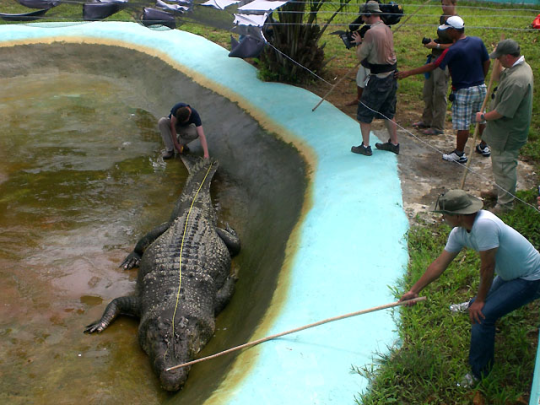
The largest living crocodile ever reliably measured was Lolong, who for the 1.5 years between his capture and his death was the largest crocodile ever held in captivity, at a whopping 6.17 meters (20 feet 3 inches) and 1075 kg (2,370 lbs). He had been feeding on both humans and very large livestock in the Bunawan creek in Agusan del Sur in the Philippines. It took 100 people all night to drag him to shore during his capture.
And here’s why:
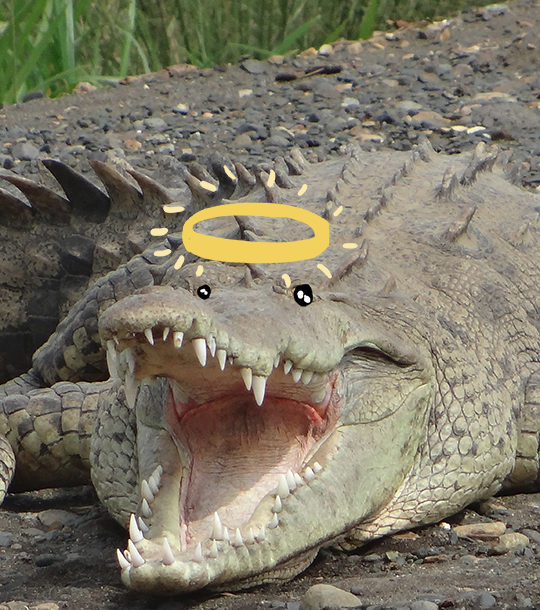
Also, to prevent credit from getting buried on a separate reblog, I have been informed that the above image of the crocodile with the cartoon eyes and halo was made by @rashkah! (And it is wonderful and I would like to thank him for its existence, because it perfectly captures my feelings about terrifying giant primordial reptiles.)
As far as Brutus is concerned I was led to believe that he lost that arm when relatively young.
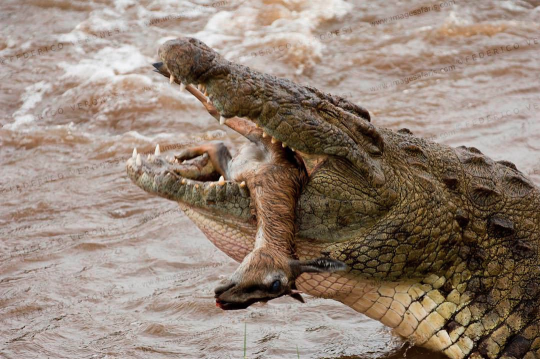
Since then Brutus developed a habit of hunting and eating Bull Sharks.
Here’s him with a prey.
And if you thought that you’ll be safe if you just stay out of Australia then think again!
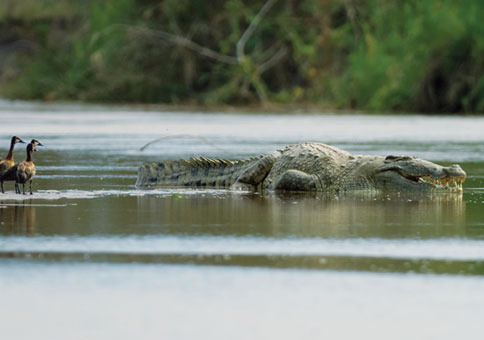
Meet Gustave the Nile Croc.
This crocodile became almost legendary for both it’s size and the habit of hunting both livestock AND humans.
So how big is Gustave?
No one is sure. Since he was NEVER captured.
His estimated size is of at least 5,5m but some give him over 6m.
The terrifying parts are:
1) He is still growing having only about 60 years.
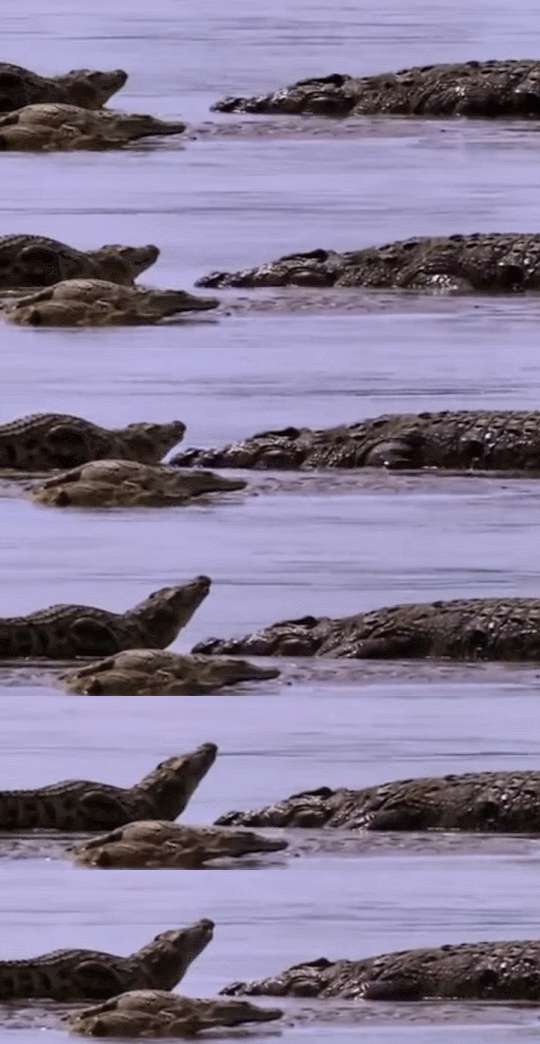
2) Adult crocodiles often perform a gesture of submission to him – something usually done by young crocodiles toward adults – Gustave is just THAT BIG.
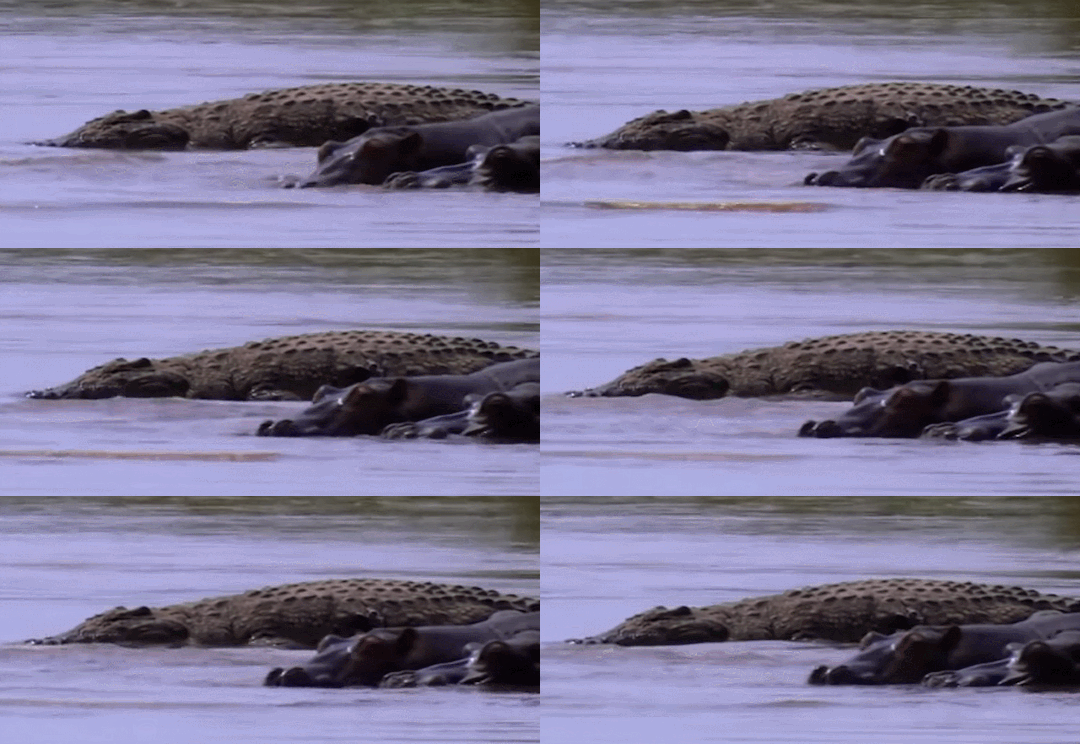
3) His sheer size makes it difficult for him to catch agile prey Nile crocs tend to feed on – hence why he developed a habit of hunting either larger prey like Hippopotamus or creatures which are not good at spotting danger in the first place like livestock and humans.
And this is NOT ALL.
Gustave actually has a noticeable scars on his body – he was shot at east 3 times and stabbed with a spear or something similar at one occasion.
He lived to tell the tale – my question is:
What happened to that one dude who attacked Gustave with a spear?
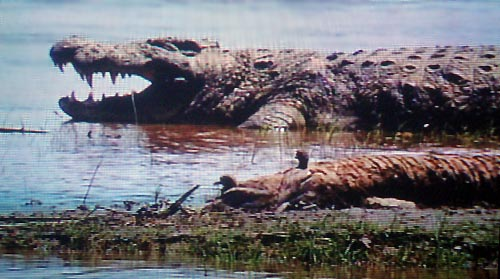
*Crocodile Dundee voice* Mate, that’s not Gustave:
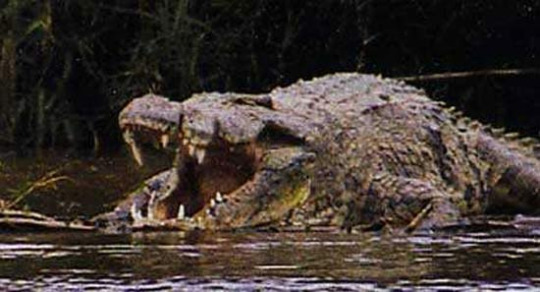
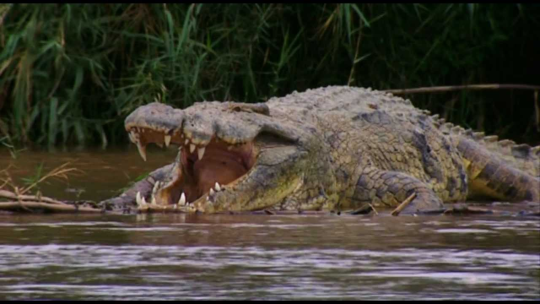
THIS is Gustave:
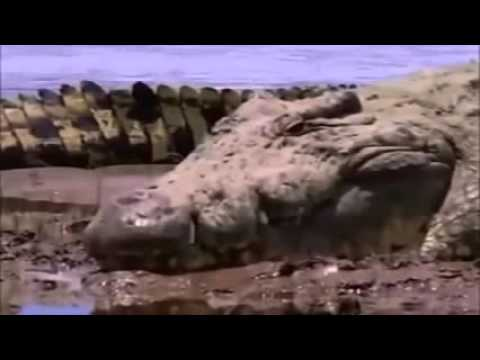
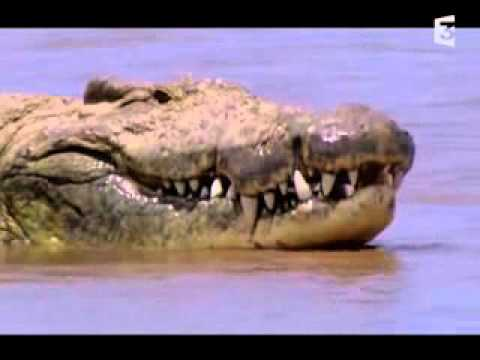
And he is the PERFECT CROCODILE. He is the perfect example of what I mean when I talk about (as I do) how the morphology of extremely large crocodiles adapts to the changing physics of their bite.
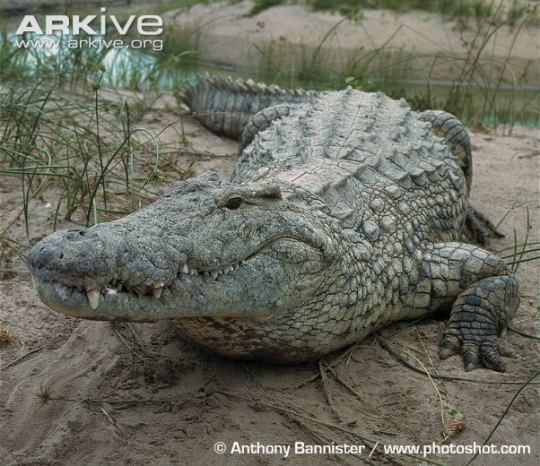
This is a typical adult Nile Crocodile:
And THIS is a god among his kind:
This is it, folks. The Final Form. THIS is what peak performance looks like.
Crocodiles and physics have an interesting relationship. Crocodiles have, by a CONSIDERABLE MARGIN, the strongest bite of any animal on Earth. EVER. Scaled up estimates (based on Nile and Saltwater crocodiles) give the extinct Deinosuchus an estimated bite force MORE THAN DOUBLE the recently updated Tyrannosaurus bite estimates. Living crocodiles have bite forces measured in the range of 5000 pounds per square inch, for an individual around 15-16 feet. It is estimated that modern crocodiles in the range of 18-20 feet would have bit forces around 7-8000 psi or more.
That’s a problem.
Because a crocodile’s skull is only designed to handle so much pressure. Go beyond that limit and the force of impact when those jaws snap shut could literally shatter their own skulls.
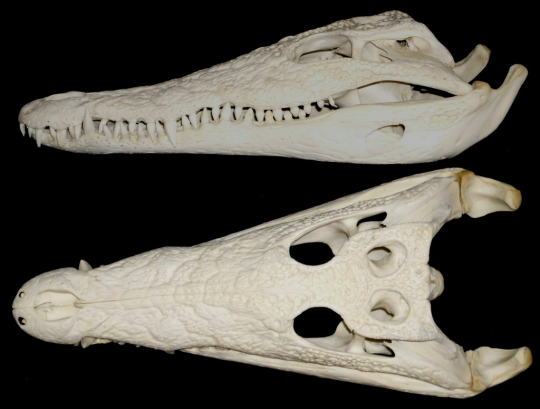
But evolution has spent hundreds of millions of years perfecting crocodiles, so PHYSICS ISN’T GOING TO STOP THEM. What ends up happening in the skulls of these extremely large crocodiles is they will increase dramatically in mass to compensate for the increased forces. A crocodile’s skull is almost exclusively solid bone, with only minimal space for nasal passages, a surprisingly advanced brain, and some slightly porous looking framework that helps the bone distribute the force over a larger area. The effect is by far the most pronounced in Nile crocodiles, which most regularly feed on larger prey and need to make use of all that power.
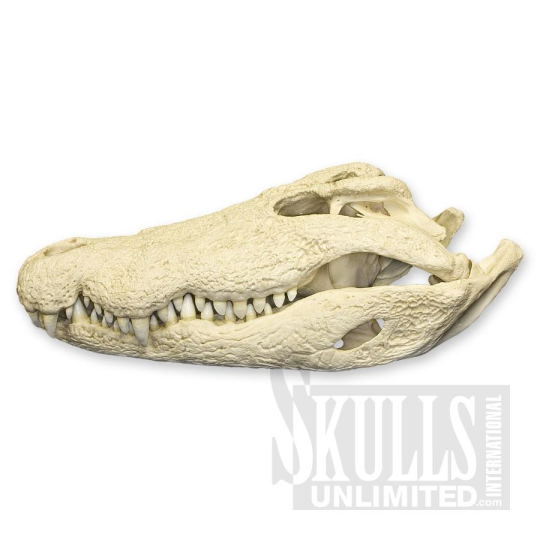
Compare, 26 inch skull:
vs 29 inch skull:
Both of those are Nile crocodile skulls (or rather, replicas thereof).
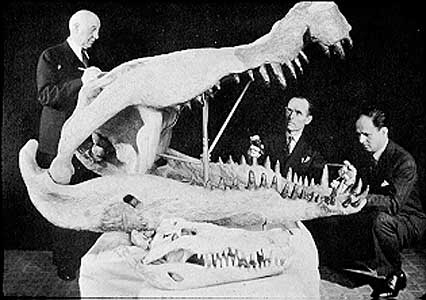
And just for fun, here are the skulls of completely different (and very extinct species), Deinosuchus:
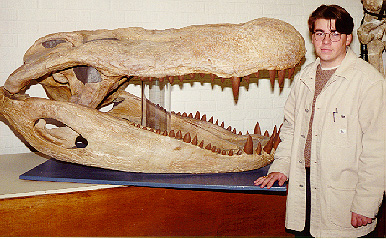
and Purussaurus:
The bigger the crocodile (within a given species), the more massive the skull needs to be to compensate for that UNBELIEVABLE bit pressure. This is one way to see from a distance whether you are looking at a normal sized crocodile:
and a truly extraordinary individual:
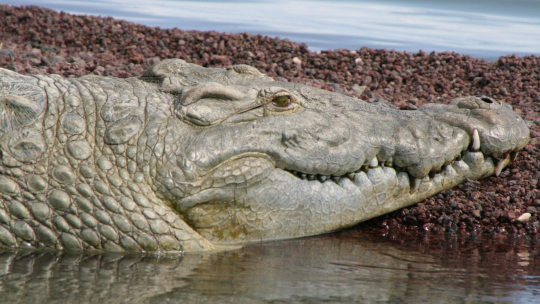
One of the things about Gustave that’s so impressive is how healthy his teeth look. A lot of large crocodiles, in their old age, have very worn down and often missing teeth. They do replace them many times over a lifetime, but when they get very old this slows down. Gustave, at least in every picture taken of him, had teeth that were in very good condition.
Even crocodiles much smaller than Gustave’s reported size (probably similar in size to Dominator or Lolong) tend to have smaller or more worn teeth:
than the pinnacle of his kind:
Lolong! It means Gramps or Grandpa, because he’s a relic of an ancient world where crocs more massive than he was walked the earth. His body is on display somewhere right now though I forgot where.
Every time I see this post there’s more crocodiles. It’s the gift that keeps on giving.




 thisacelovesheadcanons